
In the years following Jeffrey Epstein’s death in August 2019, various claims about his mental health have circulated online and in media discussions. Among these is the question: did the convicted sex offender have bipolar disorder? This article examines the available evidence to separate fact from speculation.
The Short Answer
No credible evidence supports the claim that Jeffrey Epstein had bipolar disorder. According to public records from the Bureau of Prisons (BOP) and forensic psychological evaluations conducted after his July 2019 arrest, Epstein denied any history of mental health diagnoses, and investigators found no documented psychiatric treatment prior to his incarceration.
What the Official Records Show
When Epstein was processed at the Metropolitan Correctional Center on July 8, 2019, he underwent a standard psychological intake screening. During this evaluation, Epstein explicitly denied:
- Any history of mental health problems
- Previous psychiatric treatment or therapy
- Substance abuse issues
Forensic investigators who reviewed his Bureau Electronic Medical Record reported “no known available records” of prior mental health treatment. This information was documented in records released to The New York Times and CNN, and has been confirmed by multiple independent fact-checking organizations.
Understanding What Bipolar Disorder Actually Is
Before examining why Epstein likely didn’t have bipolar disorder, it’s important to understand what bipolar disorder actually is. Bipolar disorder is a serious mental health condition characterized by extreme mood swings that include emotional highs (mania or hypomania) and lows (depression).
These are distinct, identifiable episodes that:
- Last for days, weeks, or even months
- Significantly impair daily functioning
- Are recognizable to both the individual and those around them
- Typically require professional diagnosis and treatment
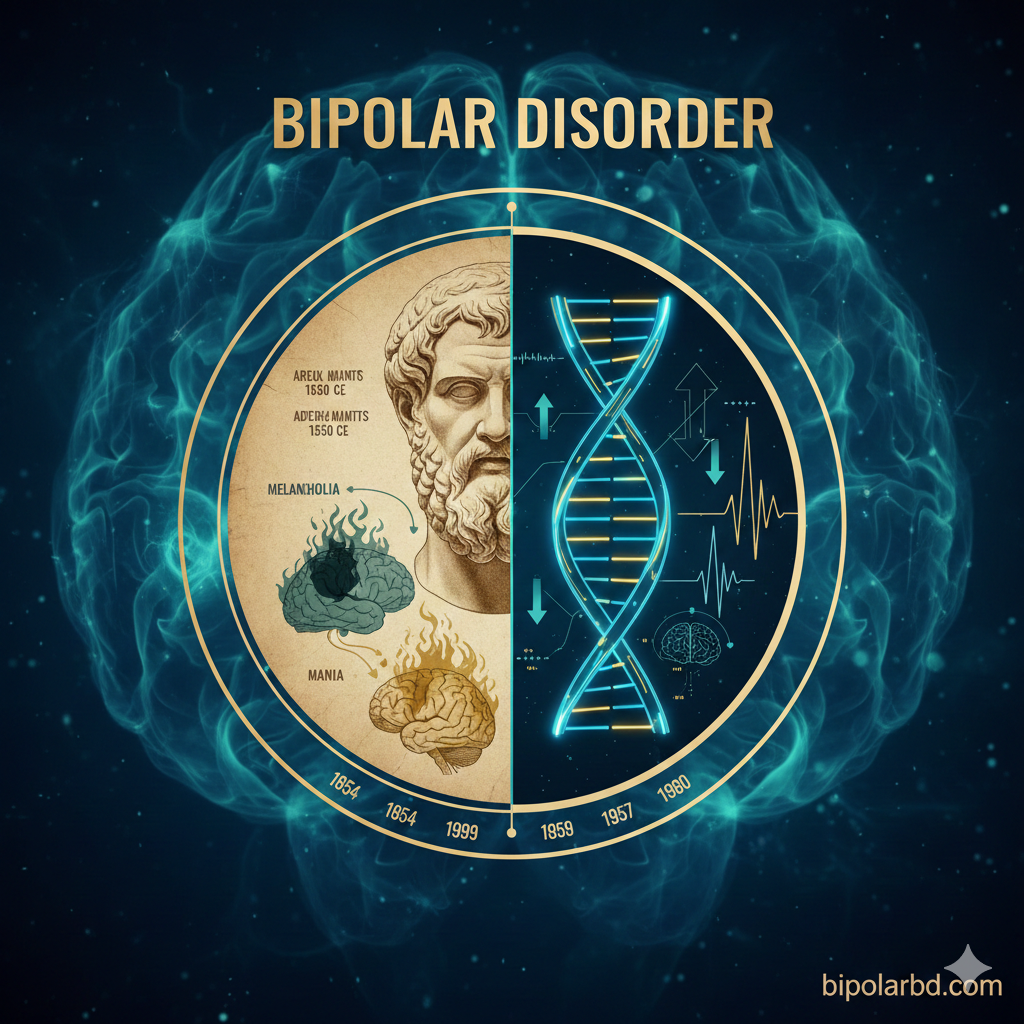
For more on the history and definition of bipolar disorder, understanding how the condition was scientifically established helps clarify why proper diagnosis matters.
What Mental Health Issues Were Actually Documented?
While Epstein had no documented diagnosis of bipolar disorder, psychological experts who have analyzed his behavior patterns have identified traits consistent with different conditions entirely:
Narcissistic Personality Disorder (NPD)
Multiple forensic psychologists have noted Epstein displayed characteristics typical of NPD, including:
- Grandiose sense of self-importance
- Exploitation of others for personal gain
- Lack of empathy
- Belief in his own exceptionalism
Antisocial Personality Disorder (ASPD) and Psychopathy
Behavioral analysis suggests traits consistent with ASPD and primary psychopathy:
- Persistent violation of others’ rights
- Deceitfulness and manipulation
- Lack of remorse or guilt
- Superficial charm used strategically
- Calculated, methodical planning
These personality disorders are fundamentally different from bipolar disorder. While bipolar disorder involves neurobiological mood cycles, personality disorders reflect deeply ingrained patterns of thinking and behavior that remain relatively stable over time.
Why the Confusion?
Several factors may contribute to confusion about Epstein’s mental health:
1. Misunderstanding of Bipolar Disorder
The general public sometimes conflates “mood swings” with bipolar disorder. However, the mood episodes in bipolar disorder are distinct from:
- Emotional reactions to circumstances
- Manipulative behavior changes
- Personality-driven mood variations
2. Behavior in Custody
Reports of Epstein appearing agitated, sleepless, or distressed during his final detention have been documented. However, these observations:
- Occurred only after his July 2019 arrest
- Were reactions to his circumstances, not symptoms of a pre-existing condition
- Do not constitute a clinical diagnosis of bipolar disorder
Stress reactions to incarceration are distinctly different from the cyclical mood episodes that characterize bipolar disorder.
3. Internet Misinformation
In the age of social media, mental health diagnoses are sometimes incorrectly assigned to public figures based on:
- Misinterpretation of behavior
- Conflation of different mental health conditions
- Speculation without clinical evidence
The Importance of Accurate Mental Health Information
Misattributing bipolar disorder to individuals who don’t have it contributes to stigma and misunderstanding of this serious condition. When people associate bipolar disorder with criminal behavior or moral failings, it:
- Perpetuates harmful stereotypes
- Discourages people from seeking help
- Oversimplifies complex mental health conditions
- Ignores the reality that most people with bipolar disorder are not violent or criminal
The millions of people living with bipolar disorder manage their condition through treatment, therapy, and support systems. They deserve accurate representation, not association with criminal behavior they have no connection to.
Understanding Comorbid Conditions vs. Misdiagnosis
It’s also worth noting that while some people may have multiple mental health conditions simultaneously—what clinicians call comorbid conditions—there’s no evidence Epstein had bipolar disorder even in combination with other diagnoses.
Proper diagnosis requires:
- Comprehensive clinical evaluation
- Longitudinal observation of symptoms
- Professional assessment by qualified mental health providers
- Medical records documenting treatment history
None of these exist in Epstein’s case to support a bipolar diagnosis.
The Impact on the Bipolar Community
False associations between bipolar disorder and high-profile criminal cases can have real consequences for people managing the condition. These include:
- Increased stigma in workplace environments (learn more about bipolar disorder in the workplace)
- Strain on personal relationships (see how bipolar affects relationships)
- Reluctance to disclose diagnosis when seeking help
- Misconceptions among family members trying to understand the condition (resources for family and friends)
What We Actually Know About Mental Health and Criminal Behavior
Research consistently shows that:
- People with mental illness are more likely to be victims of crime than perpetrators
- The vast majority of people with bipolar disorder pose no danger to others
- Criminal behavior is typically driven by factors unrelated to mental health diagnoses
- Personality disorders like ASPD are more commonly associated with predatory behavior than mood disorders
Conflating mental health conditions with criminal behavior does a disservice both to those living with mental illness and to our understanding of criminal psychology.
Getting Support and Treatment
If you’re concerned about bipolar symptoms in yourself or a loved one, it’s important to seek proper evaluation and support. Unlike Epstein, who denied any mental health issues and showed no evidence of bipolar disorder, many people benefit significantly from diagnosis and treatment.
Resources include:
- Evidence-based treatment options
- Support groups and community resources
- Crisis support when needed
- Professional assessment from qualified mental health providers
Early intervention and proper treatment can make a tremendous difference in long-term recovery and management of bipolar disorder.
The Bottom Line
Based on all available evidence:
- No documented diagnosis: Jeffrey Epstein had no record of being diagnosed with bipolar disorder at any point in his life
- Self-reported denial: He explicitly denied any mental health history during professional intake screening
- No treatment history: Investigators found no records of psychiatric treatment
- Different conditions suggested: Expert analysis points to personality disorders, not mood disorders
- Behavioral evidence doesn’t match: His patterns don’t align with bipolar disorder’s characteristic episodes
While questions about Epstein’s psychology remain of interest given the scope of his crimes, attributing bipolar disorder to him without evidence is inaccurate and potentially harmful to the millions managing this legitimate medical condition.
Final Thoughts
Responsible discussion of mental health requires accuracy and evidence. When public figures are discussed in relation to mental health conditions, it’s crucial to:
- Rely on documented medical evidence
- Avoid speculation and armchair diagnosis
- Understand the actual characteristics of mental health conditions
- Consider the impact of false associations on people living with these conditions
The claim that Jeffrey Epstein had bipolar disorder is unsupported by any credible evidence. Understanding this distinction helps both in historical accuracy and in reducing the stigma faced by those genuinely managing bipolar disorder.
Disclaimer: The information on BipolarBD.com is for educational purposes only and should not be considered medical advice. Always consult with a qualified doctor or mental health professional for diagnosis and treatment.
Sources and Further Reading
- Bureau of Prisons intake records and psychological screening documentation (2019)
- The New York Times reporting on Jeffrey Epstein’s prison records
- CNN coverage of Bureau of Prisons psychological evaluations
- Independent fact-checking analysis from Factually.co
- Forensic psychology expert analysis published in peer-reviewed sources